
Physiotherapy and Hydrotherapy for Cranial Cruciate Ligament Surgery and Management
Updated: May 14, 2025
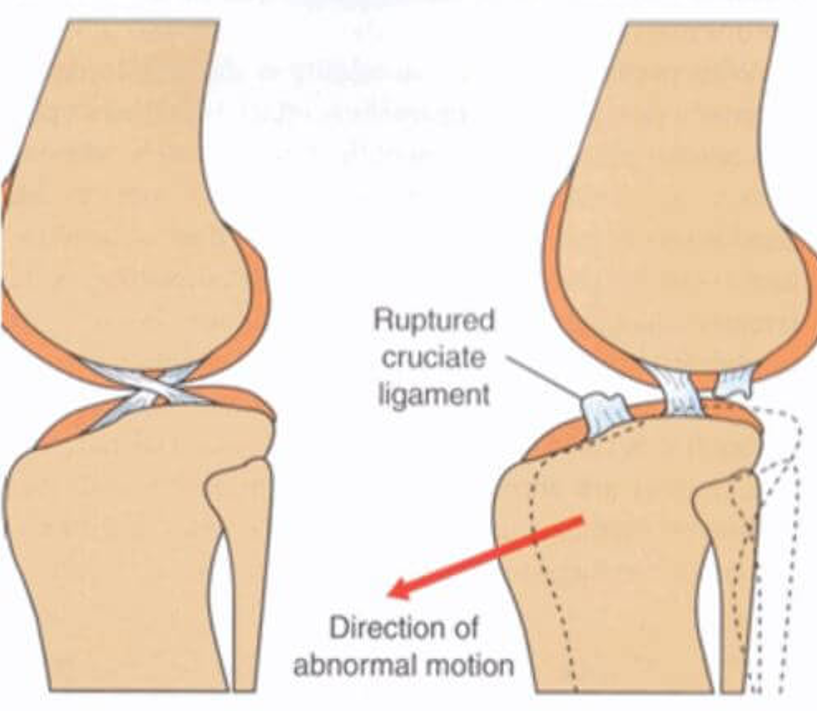
Cranial Cruciate Ligament (CCL) disease may be treated either conservatively or surgically. The decision to manage your dog’s cranial cruciate ligament disease with conservative or surgical management will very much depend on the stability of the stifle joint (knee) and the severity of clinical signs. This decision is based on a veterinarian’s assessment of your dog’s knee.
Conservative rehabilitation
If your dog is being treated conservatively many dogs’ benefit from rehabilitation to protect the stifle joint and prevent further injury or stress to the joint. Chartered physiotherapists look closely at how your dog functions with CCL disease and the effect it has on individual patient and their body as a whole. It is vital that the quadriceps and hamstring muscle groups are maintained with strength and stability exercises as they control flexion and extension of the stifle joint. If these muscles become weak the stifle can become vulnerable and at risk of further injury.
Physiotherapy aims
Whilst your dog already has existing CCL disease and is being managed conservatively, there is a risk of “flare-ups” or exacerbation of clinical signs following trauma or inappropriate exercise. At this stage, the aim would be to control the inflammation and surrounding muscle spasm. It is also important to encourage careful limb use and prevent muscle atrophy. The soft tissues also need to be maintained. If your dog responds positively to the conservative rehabilitation programme, the aims can be adjusted to include the above with greater limb loading, further limb strengthening and increased cardiovascular fitness. Restricted walking between prescribed exercise times is advised to ensure the knee isn’t overloaded alongside the specific controlled rehabilitation exercises.
Physiotherapy options
Ice therapy, compression, massage and stretches are initially utilised to reduce any swelling and pain of muscles around the knee. Specific strengthening exercises are then added as is hydrotherapy in the underwater treadmill. Advice for caring for your dog at home and how to avoid any factors that might aggravate the condition such as slippery floors, jumping up and in and out of things will be advised by your physiotherapist. A gradual introduction of off-lead exercise will then be advised and activities that stimulate core stability. Many dogs require ongoing rehabilitation to prevent further problems and maintain limb strength. This ongoing form of rehabilitation quite often is carried out in the water using the hydrotherapy treadmill.
Should your dog deteriorate at any point during a conservative management programme it is important you contact your chartered physiotherapist so an appointment with your orthopaedic veterinarian can be arranged. Conservative rehabilitation is not suitable for all dogs, some require surgical intervention to address cranial cruciate ligament disease, therefore, it is important your dog is reassessed to evaluate stifle stability as soon as you have concerns.

The table below is an example of a conservative rehabilitation plan for cranial cruciate ligament disease:*
Time Scale | Physiotherapy Aims | Treatment options |
0-4 weeks | Reduce inflammation and pain Reduce muscular guarding
Increase strength Increase limb loading Restore normal movement Maintain muscle flexibility Home management |
· Home Exercise Program · Hydrotherapy in Underwater treadmill · Passive movements, weight shifting and gentle stretching.
· Exercise restriction · Advice for non-slip flooring · Avoiding jumping on furniture etc. |
4-6 weeks | Continue above methods | · Progression of home exercise programme to challenge balance, body awareness and strength. · Advice on maintaining restricted exercise when dog is feeling better |
6-12 weeks | Increase exercise tolerance Increase core strength | · Progression of exercise therapy and hydrotherapy in underwater treadmill. · Progression of home exercise program. |
12+ weeks | Return to Full Function | · Return to normal and off lead activity |
Cranial Cruciate Ligament Disease Surgical rehabilitation
If you vet decides that your dog needs cruciate surgery, rehabilitation should be started in immediately following surgery. In the first 24 hours following surgery ice therapy is used to control swelling and ease pain. This can be repeated at regular intervals throughout the day. Laser therapy can also assist with swelling reduction and pain relief. Advice on Handling and guidance through home management is important.
After approximately 4-6 days, specific limb loading exercises are introduced as are core stability techniques. Specific quadriceps and hamstring exercises start carefully at this stage. Careful joint range of motion (ROM) exercises must be started to maintain joint mobility. Gentle stretches also reduce soft tissue tightness and compensatory pain.It is also important to normalise movement as early as possible to prevent muscle wasting.
Once your dog is 2-6 weeks following surgery, gradual progression of the rehabilitation programme is advised. Targeted exercises, balance and coordination work is included. Gait re-education is constant and at this stage, hydrotherapy can be introduced on the underwater treadmill. Various home exercises are given as is specific advice on how to exercise and manage your pet’s environment at home. This programme is constantly adjusted to support the patient’s return to normal function.
The table below is an example of a surgical rehabilitation plan for cranial cruciate ligament disease:*
Timescale | Physiotherapy Aims | Treatment options |
1-2 weeks | Reduce Pain and inflammation Reduce Muscular guarding Maintain Soft Tissue Length and Flexibility Improve strength and function of hind limb Improve postural sets Increased strength | · Laser · Ice therapy · Laser · Soft Tissue Massage · Heat Therapy · Home Exercise Program; passive movements, stretches · Weight bearing exercise · Gait re-education · Home exercise · Transitions from lying, sitting standing |
2-4 Weeks | Continue to increase strengthening Continue to improve independent function Maintain joint motion Improve body awareness | · Home exercise program · Exercises to address functional movement patterns · Gentle stretches and range of motion exercises. · Balance and proprioceptive exercises |
4-6 Weeks | Increase strength | · Hydrotherapy in underwater treadmill · Controlled stair walking |
6-12 Weeks | Increase exercise tolerance and normalise movement | · Continue hydrotherapy · Incline walking, figure of 8 walking. |
12 + weeks | Restore normal function | · Off lead activity |
*Please note that rehabilitation plans should only be followed under the guidance of a qualified rehabilitation professional, who will be able to provide a tailored plan based on the individual patient’s rehabilitation needs.
Comments